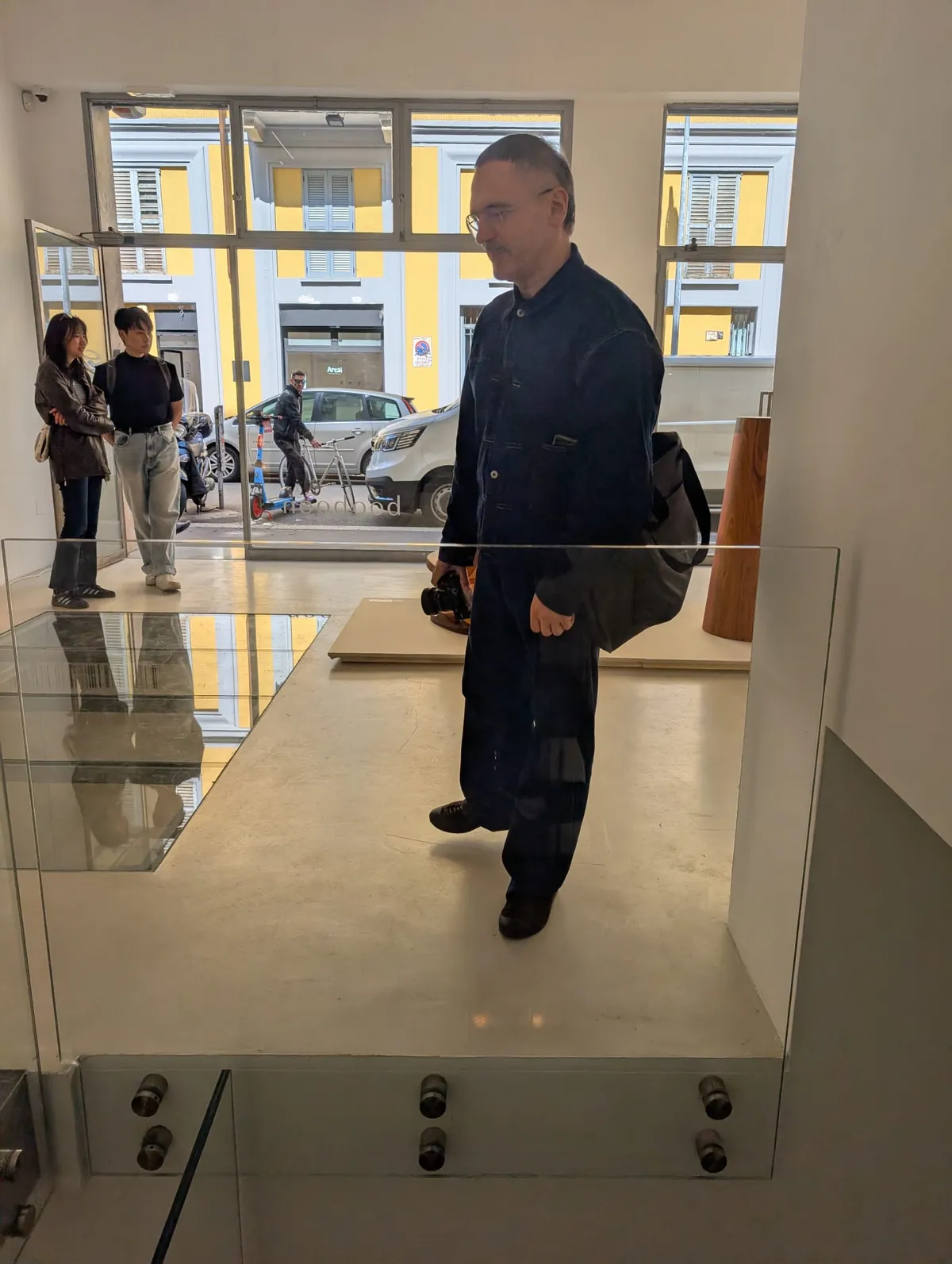
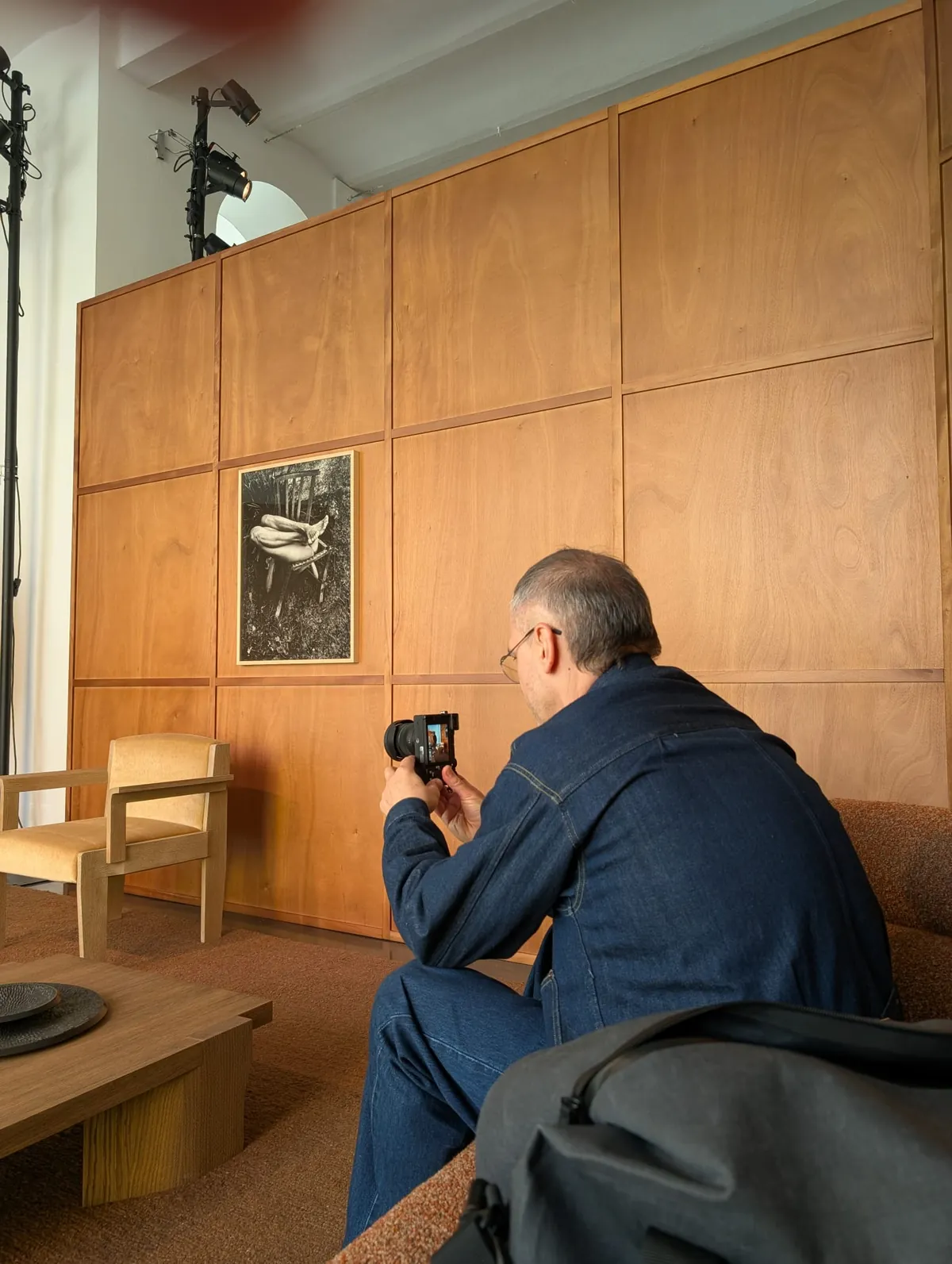
I met Mihai Gurei at Milan's airport on the very day Milano Design Week was about to begin. Between flights, luggage and the slightly chaotic energy of a city gearing up for the most important week in design, we started talking about his programme.
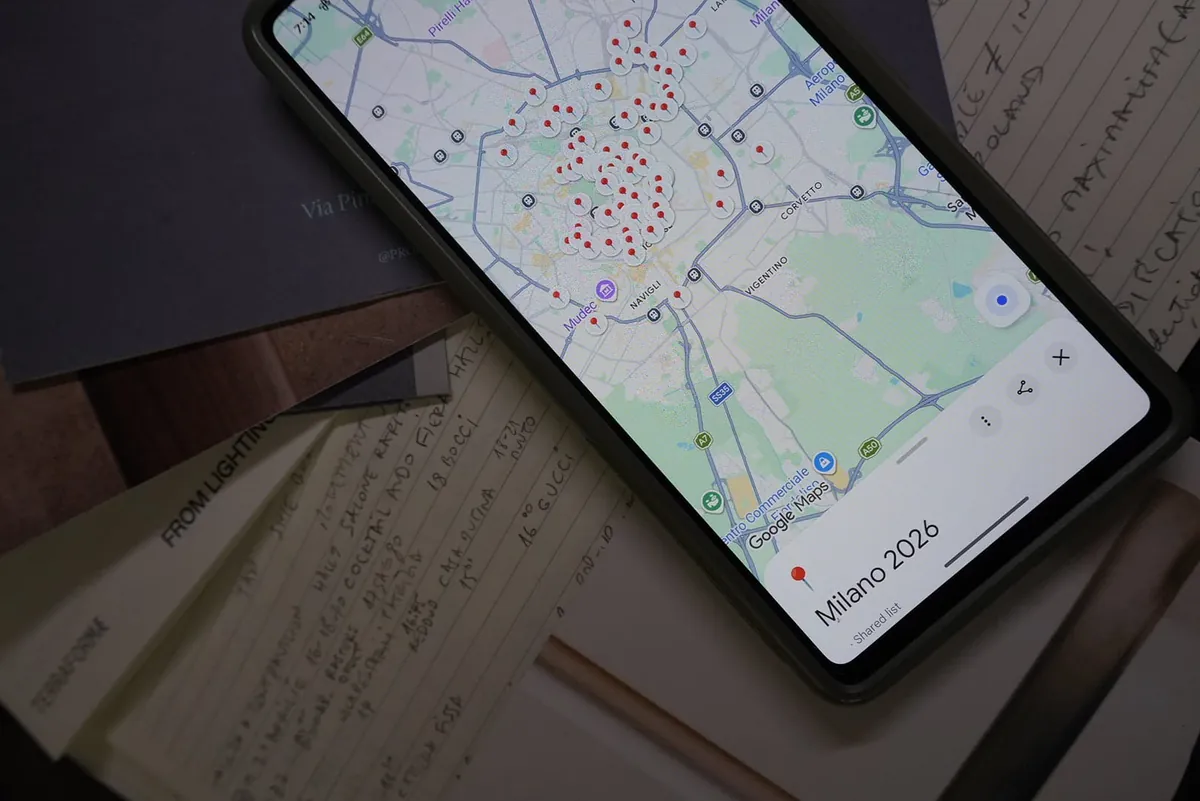
What struck me immediately was the consistency with which he had built his itinerary: a map full of events, showrooms, exhibitions and activations he couldn't wait to explore. It looked like a programme conceived as an exercise in observation, selection and understanding.
That is how we came to talk about Intro, the Bucharest space founded by Mihai Gurei and beloved by architects and designers for its curatorial selection of contemporary furniture and design objects. Mihai is also one of the people who helped educate the taste for design in Romania, including through his involvement in Romanian Design Week and through conversations about lifestyle and design carried forward on the Life Design show on Radio Guerrilla.
In the interview below, we discover him through the way he looks at Milano Design Week — as a barometer of the directions that will shape interiors, objects and the way we choose to live.
What makes Milano Design Week a moment you simply cannot miss as an architect or designer?
The joy of discovering something surprising — something that sparks my curiosity and makes me think.
If you were to take us along through Milano Design Week, where would the first stop be and why?
For a good coffee at Orsonero, after a short walk through the Porta Venezia neighbourhood. It is the area where I first arrived in Milan almost 25 years ago and one I know very well. I love the wide streets lined with elegant buildings, green spaces and century-old trees. It is a wonderful way to adjust to the rhythm of the city before tackling hundreds of exhibitions.
Which exhibitions or activations stayed with you most vividly?
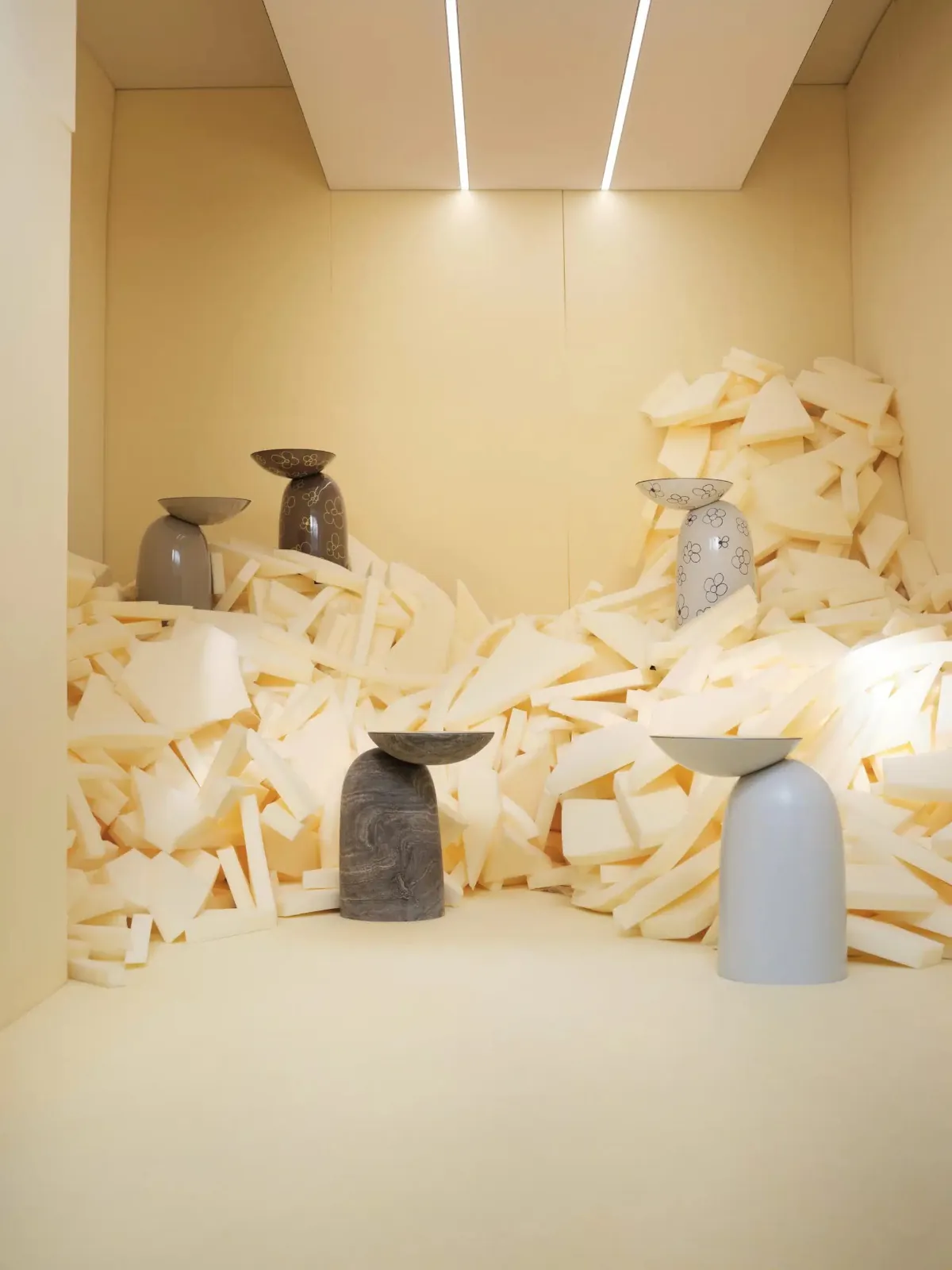
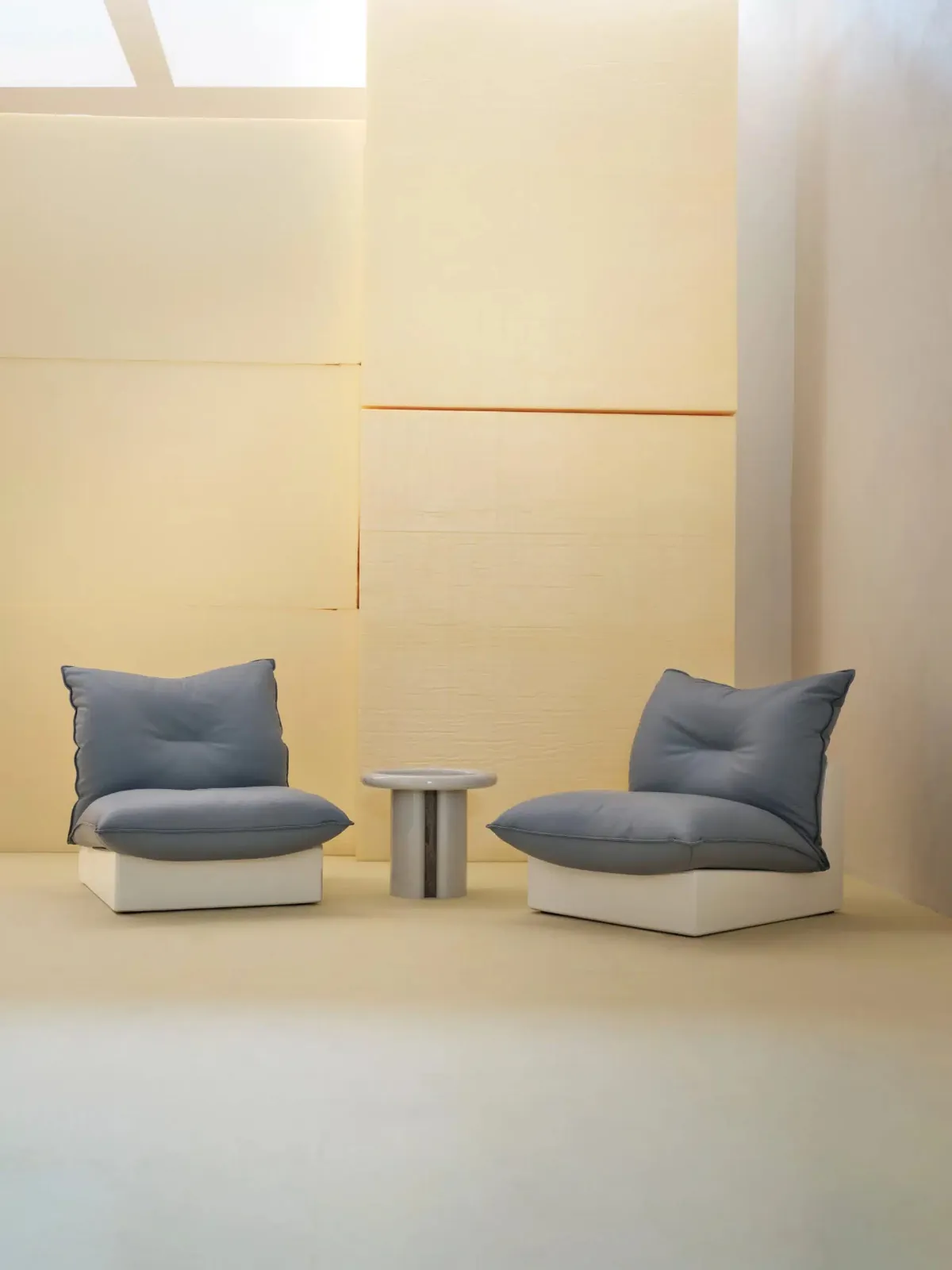
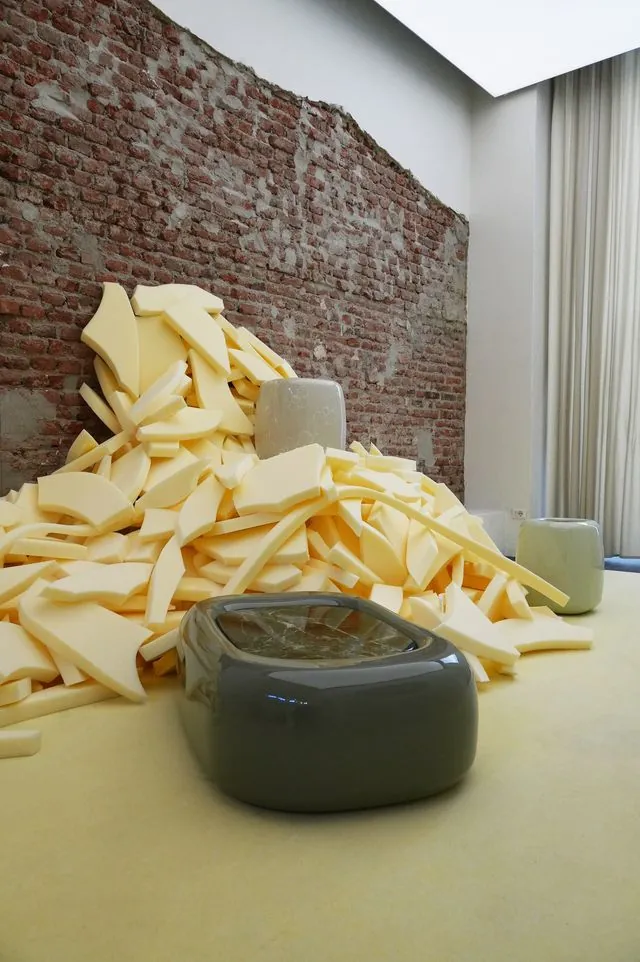
The exhibition by the design studio Soft Baroque, called Ghost Kitchen, hosted in a basement packed with brilliant design ideas. The presentation by the Italian brand Secolo, conceived by the Danish multidisciplinary studio Tableau. The splendid inner courtyard at Chiostro Sant'Angelo, which hosted Flexform's outdoor collection presentation. The stunning installation conceived by Snøhetta architects for the Swiss brand USM. And the exhibition at Triennale di Milano dedicated to the modular house concept designed in the 1950s by Ray & Charles Eames and finally put into production by the Spanish company Kettal.
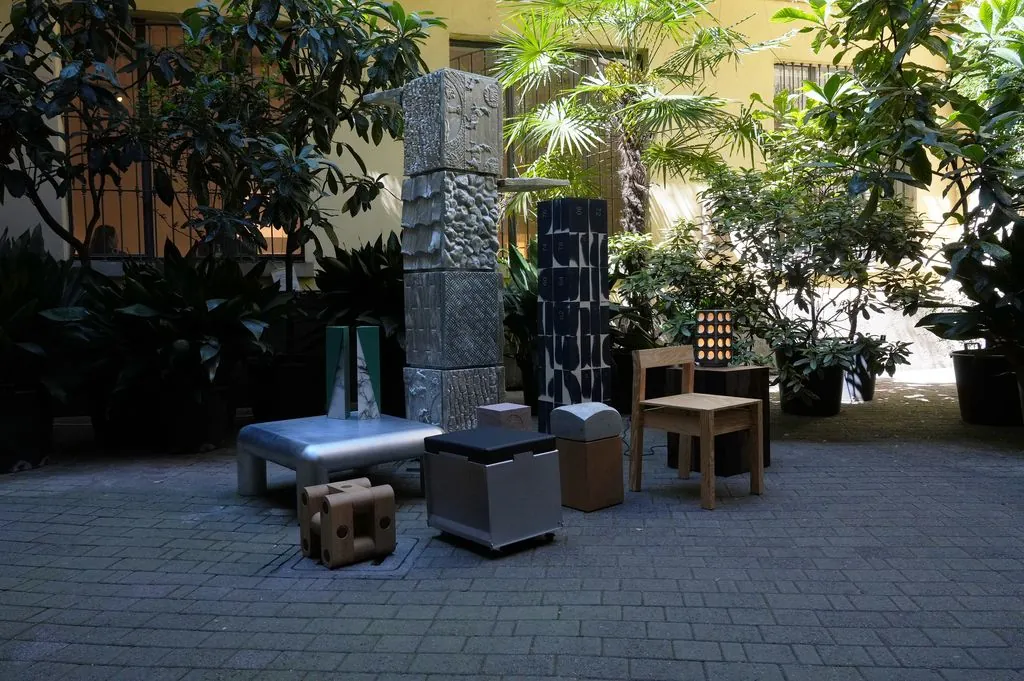
"A basement packed with brilliant ideas. A retro apartment on the top floor. A gallery that was once Andrea Rosso's private residence. Milano offers the most unexpected stages."
Have you discovered a showroom or space that completely changed your perception of design?
That would be quite difficult, given how many approaches I have seen over the years. But I am always happy to see various spaces in Milan that activate exclusively for design exhibitions — for instance an entire 1970s apartment building that this year hosted the collective exhibition Convey. Or a retro apartment on the top floor, complete with a superb terrace, serving as the presentation venue for Franco-American creator Sophie Lou Jacobsen's Disco Aperitivo concept.
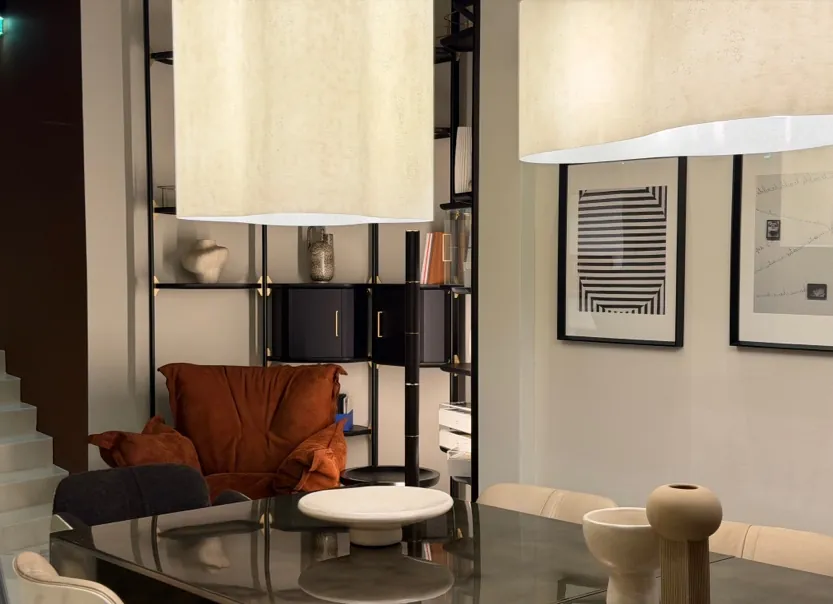
I saw many apartment concepts, some hypothetical, crammed with ideas about what the apartment of the future might look like. And one that reflects an ideal scenario — that of the art and design collector — in the RedDuo gallery space, the former private residence of Andrea Rosso, son of Diesel's founder. A wonderful space, full of unique creations and rooms infused with the minimalism of Japanese culture.
Is there a designer or brand you rediscovered in this edition?
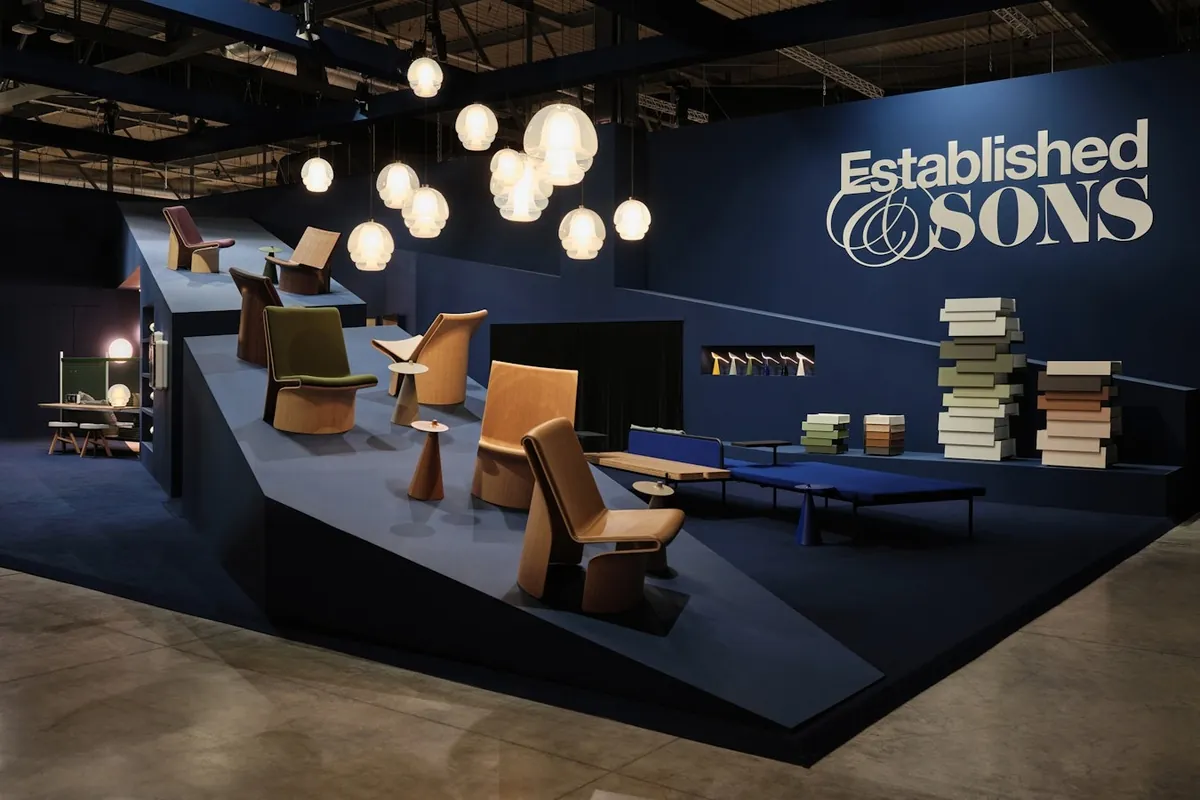
Yes, the British-origin brand Established & Sons. It has had a meteoric trajectory in its nearly twenty years of existence: after a few years of mega-success with lavish exhibitions in Milan, it went through a period of crisis and changed hands several times — I had begun to feel it had almost disappeared entirely. And here it is again, present among the stands at Salone del Mobile, with some very interesting new releases.
Trends that will define 2027
What trends have you noticed that you believe will dominate interior-design aesthetics in 2027?
- Outdoor–indoor. Outdoor furniture has an increasingly sophisticated air and looks equally at home on the terrace and in the living room.
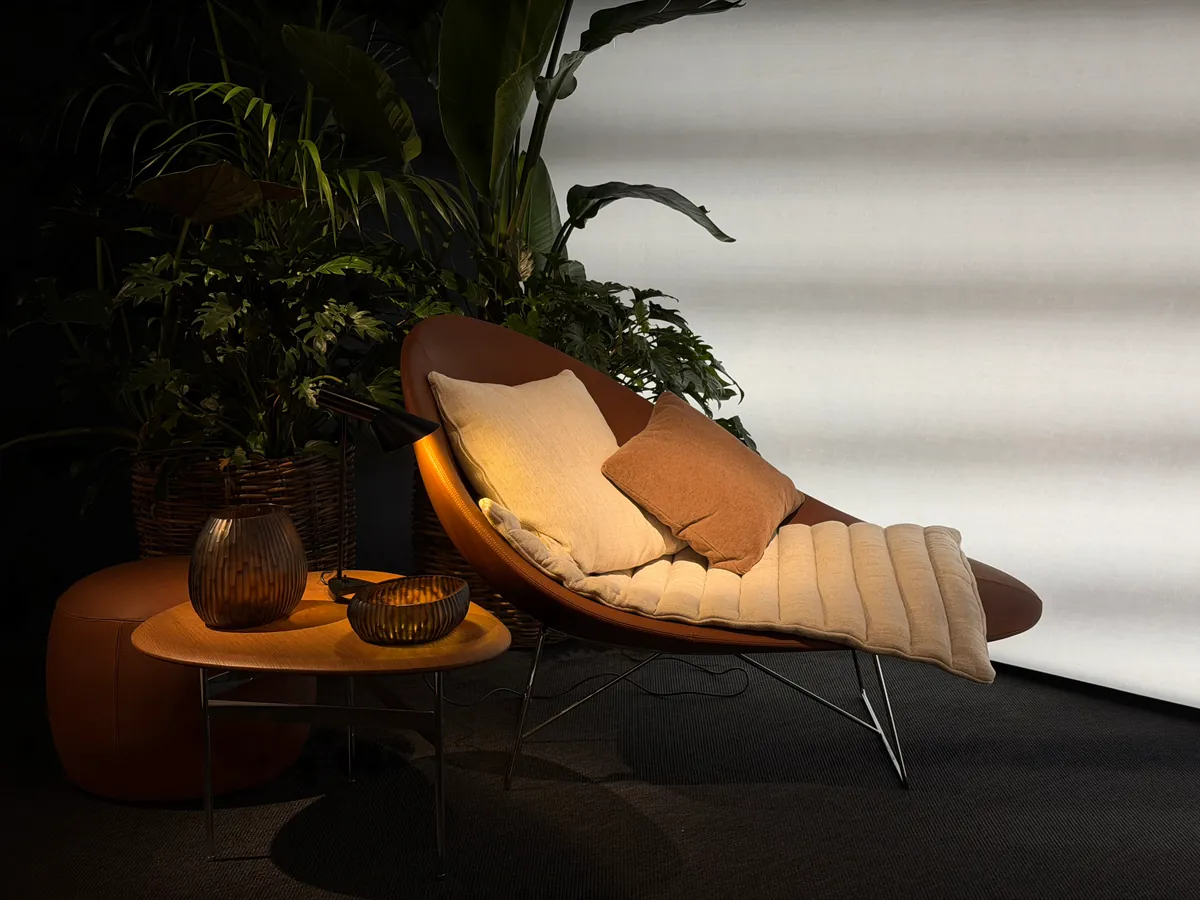
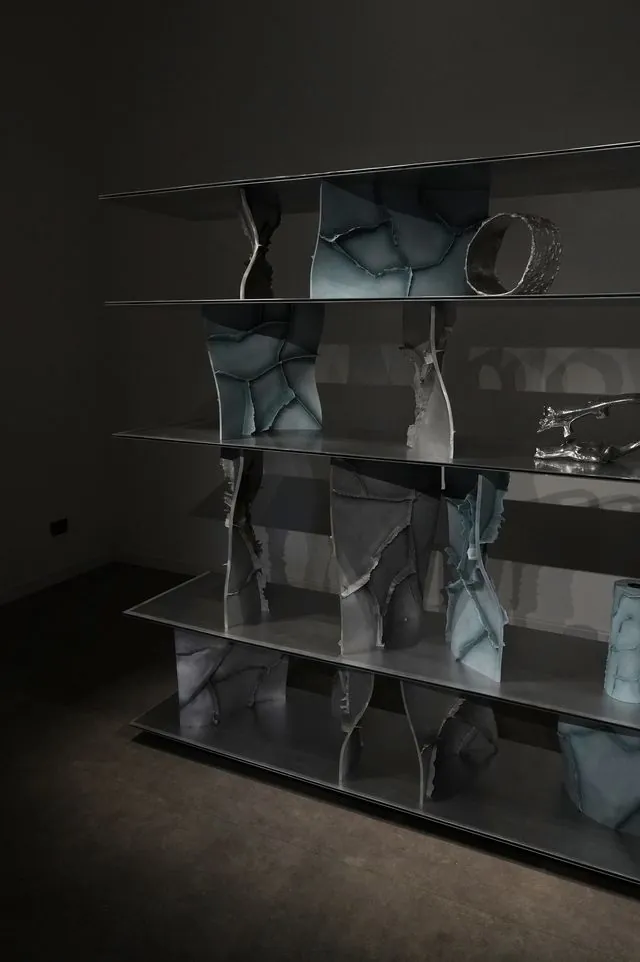
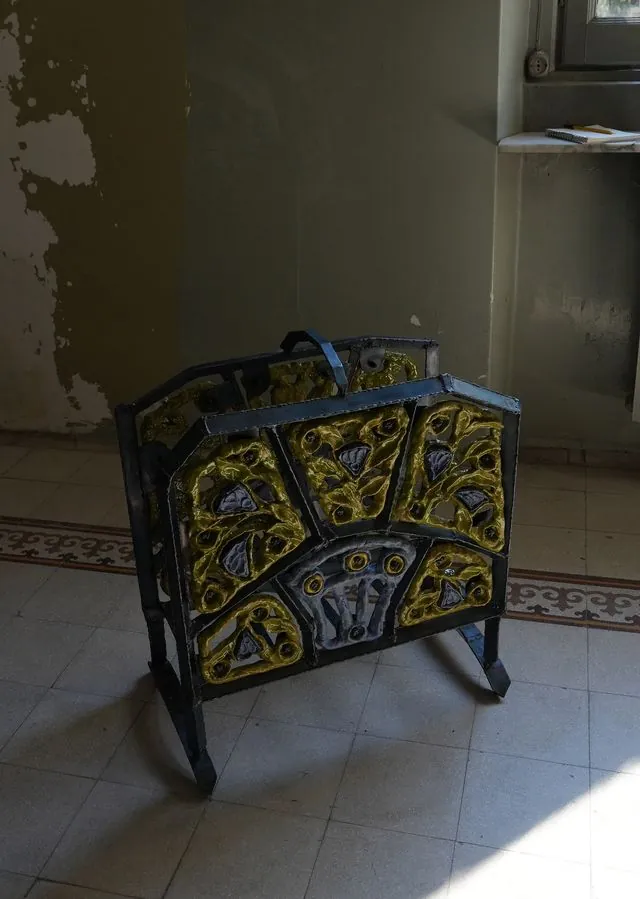
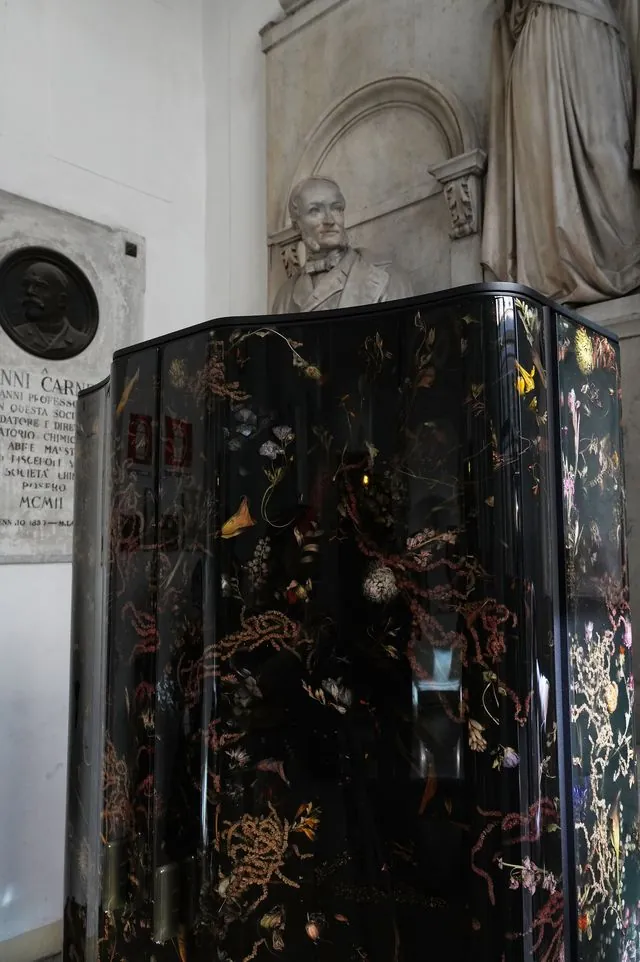
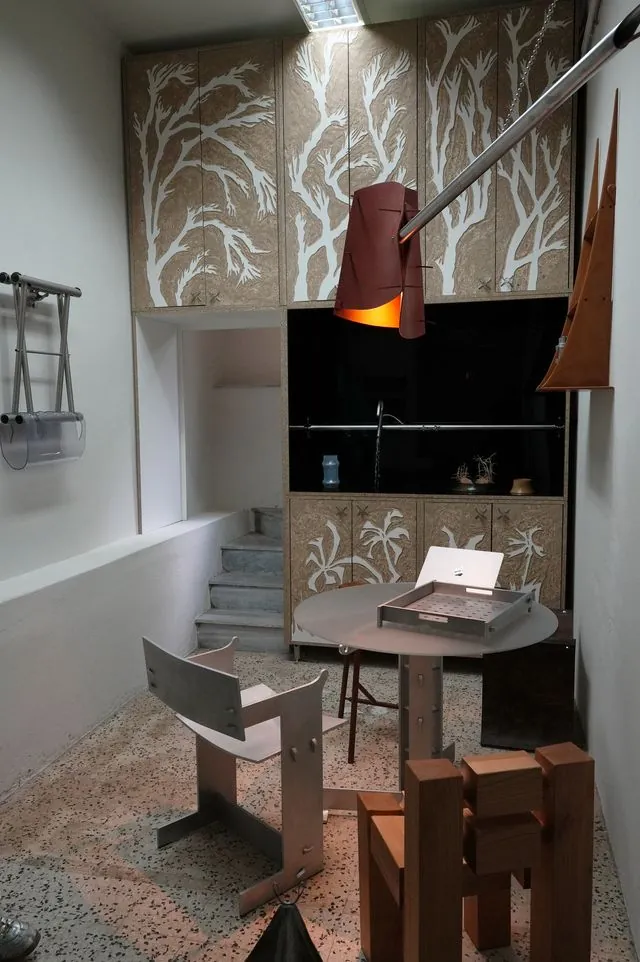
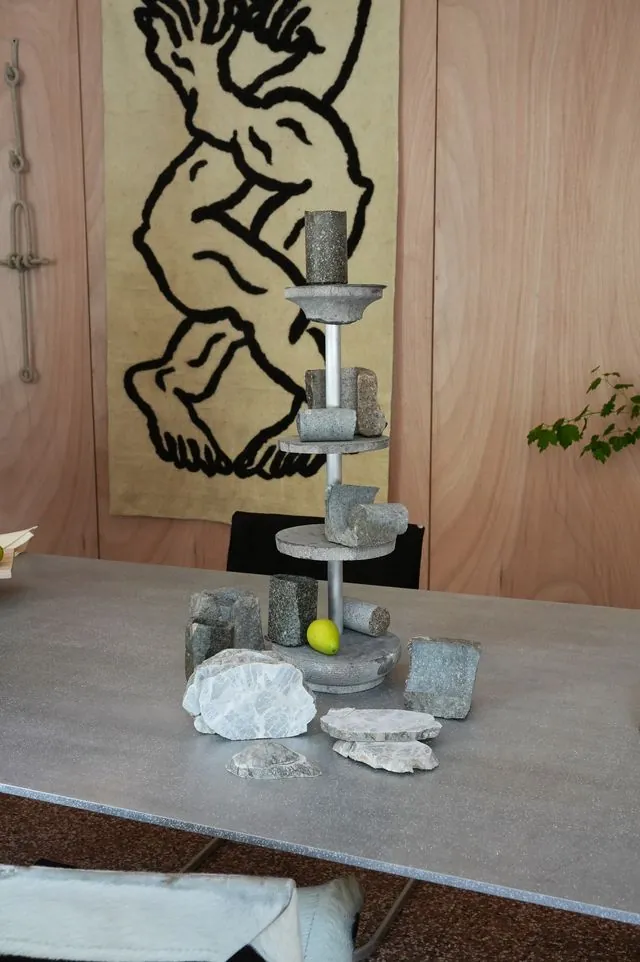
- Organic textures. Furniture and decorative objects have an artisanal quality, free of sharp corners and precisely calculated angles. Natural materials dominate: wood with more expressive grain or glass with a textured, almost tactile surface.
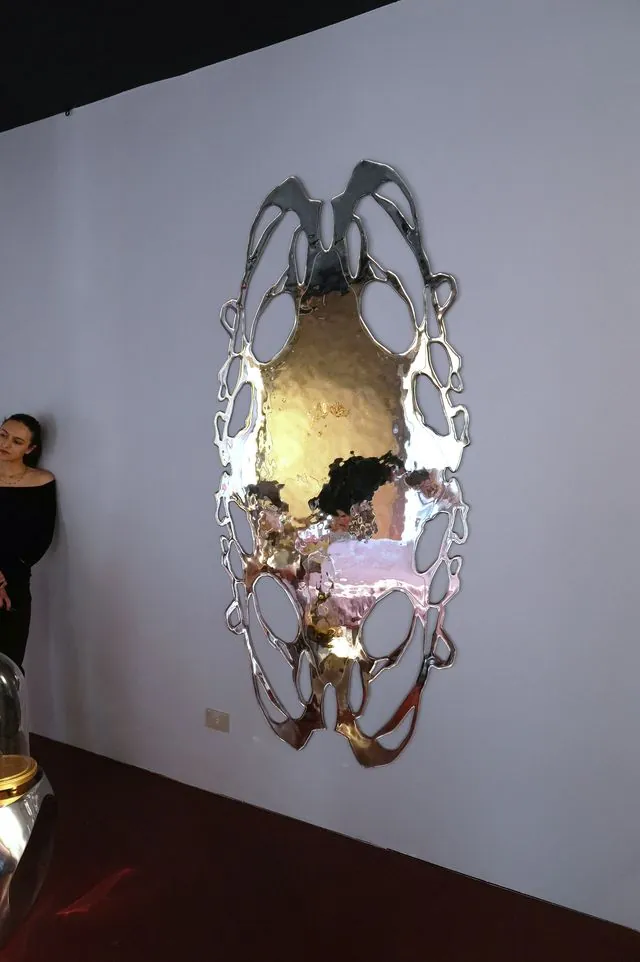
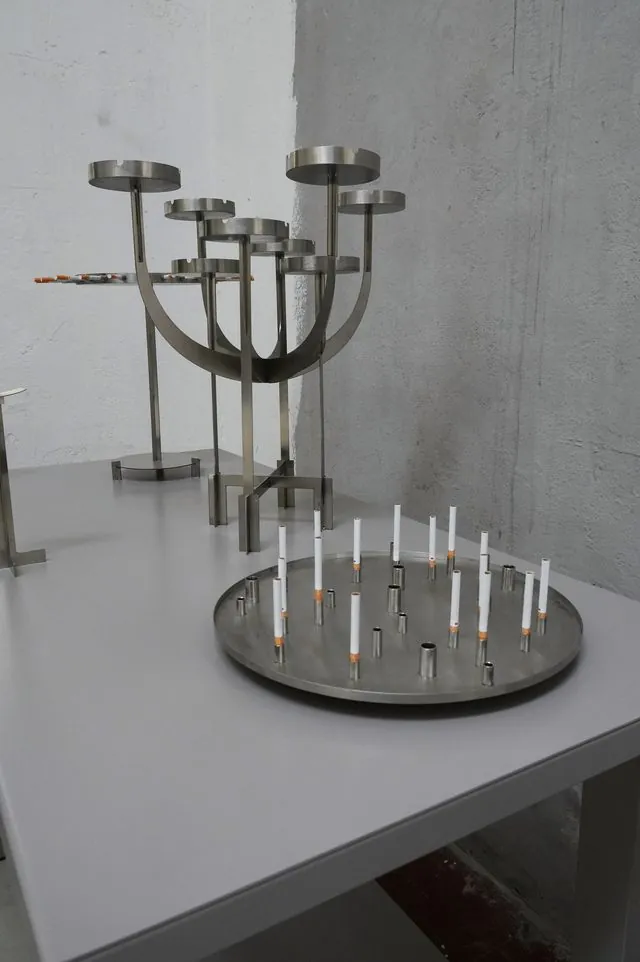
- Reflective surfaces. Stainless steel, chrome and aluminium remain on-trend. I even saw an apartment concept in which every single piece was made of metal, including the bed. The only contrast came from rugs and curtains.
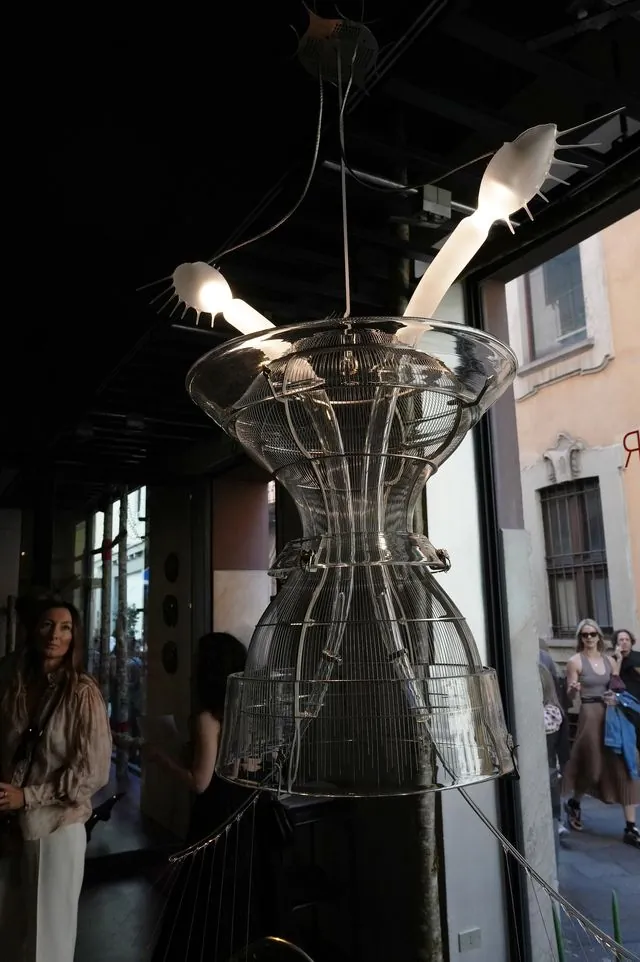
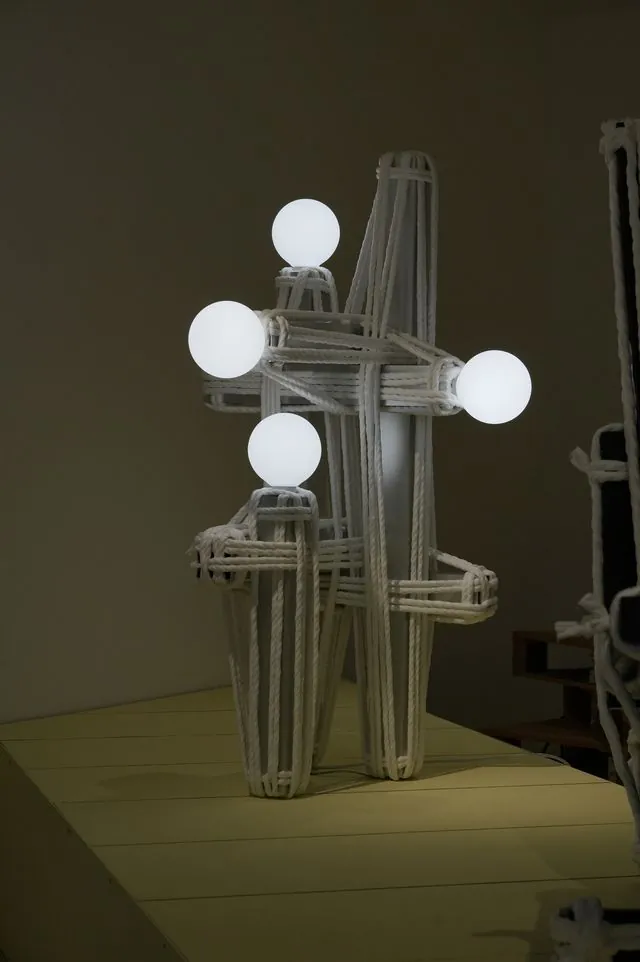
- Techno maximalism. Various objects featuring complex details and technology elements (motorised arms, slender power cables for LED capsules) that sometimes look like extraterrestrial creatures.
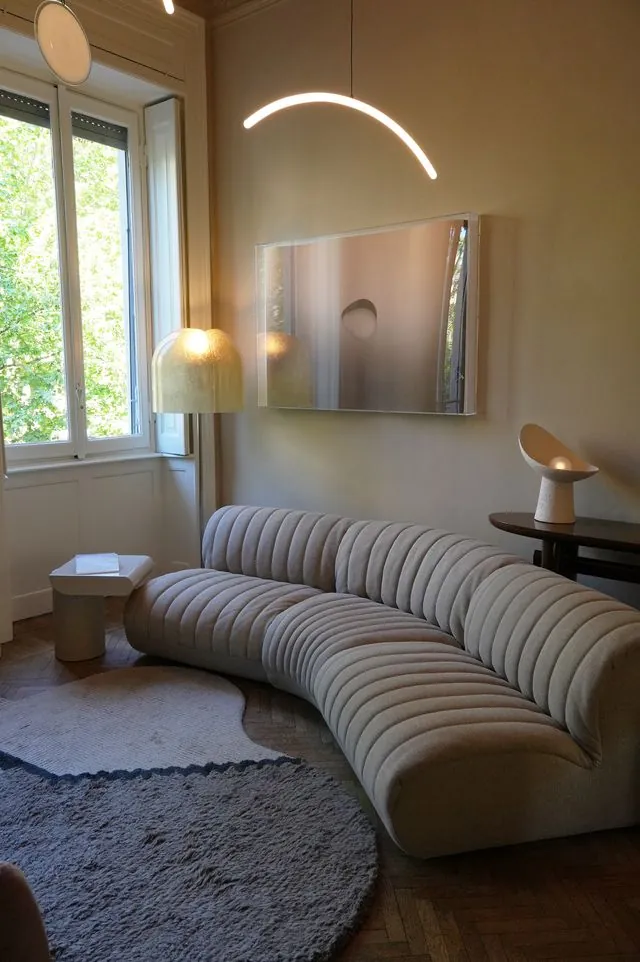
Intro — and the value of every visit to Milan
How do you think this experience has influenced your perspective as an interior designer and your vision for Intro?
Intro sets itself apart on the Romanian market through its focus on the selection of furniture and décor objects it offers both decorators and end clients. Every visit to Milan tells us something about the direction in which the style and materials of creations that will be produced at a larger scale in the years ahead are evolving. For us it is essential to sell products of very high quality, at fair prices, for discerning clients.
What would you bring to Romania from everything you have seen — not as an object, but as a mindset?
A greater concern for natural elements in a space — I draw a lot of inspiration from Milanese apartments invaded by nature. And a flair for good-quality décor elements. Many interiors in Romania still lack a set of good-quality knives, elegant crystal glasses or fine woollen throws. These things matter more than people realise.
"Many interiors in Romania still lack a set of good-quality knives, elegant crystal glasses or fine woollen throws. These things matter more than people realise."
Photo credit: Mihai Gurei