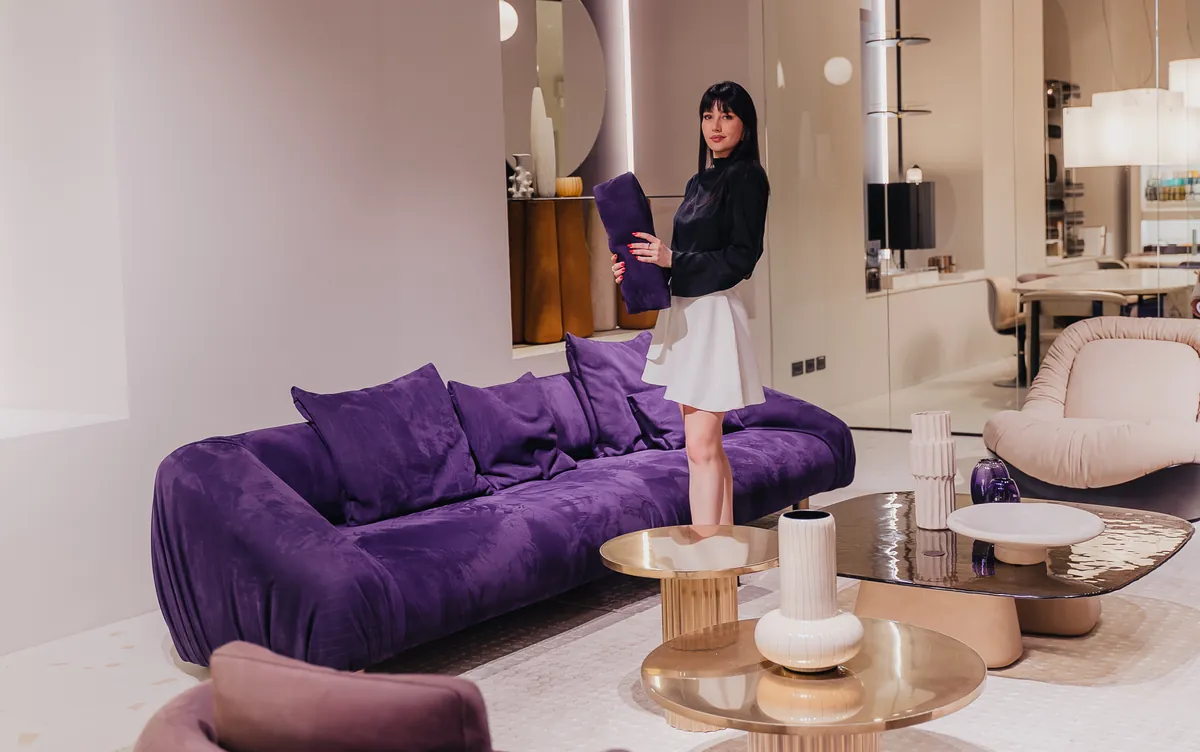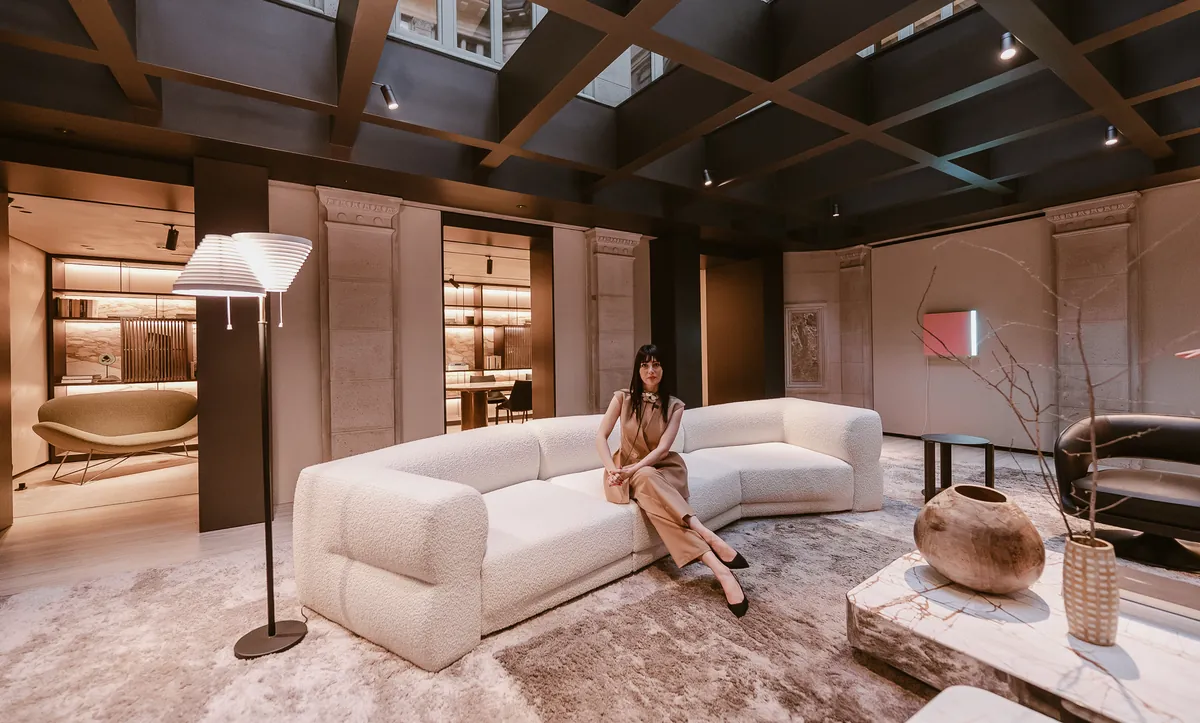
There is a moment, walking through Salone del Mobile, when objects stop feeling like objects. They begin to read as intentions, as atmospheres, as statements about how we choose to live. This is where Mariner positions itself in 2026 — not as a manufacturer launching products, but as a brand quietly redefining what a bathroom can be.
For decades, the bathroom has remained one of the most function-driven spaces in the home. Efficient, beautiful, but rarely conceptual. Most brands still operate within a fragmented logic: faucets, showers, accessories — treated as separate elements rather than parts of a cohesive whole.
Mariner starts from a different premise. Founded in 1982 in Italy's Lake Orta district, the brand has gradually shifted from OEM manufacturing to a more defined design identity. But the real change is not industrial — it is conceptual. Mariner is not trying to design better faucets. It is trying to design the gesture of water.
OASY & LYMFA — two registers
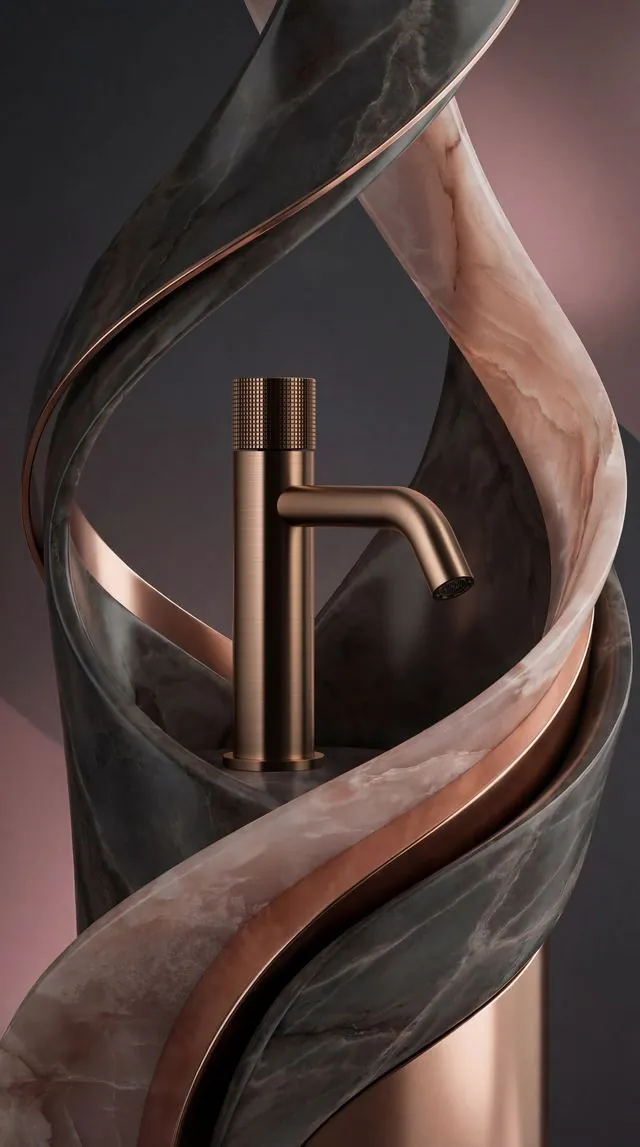
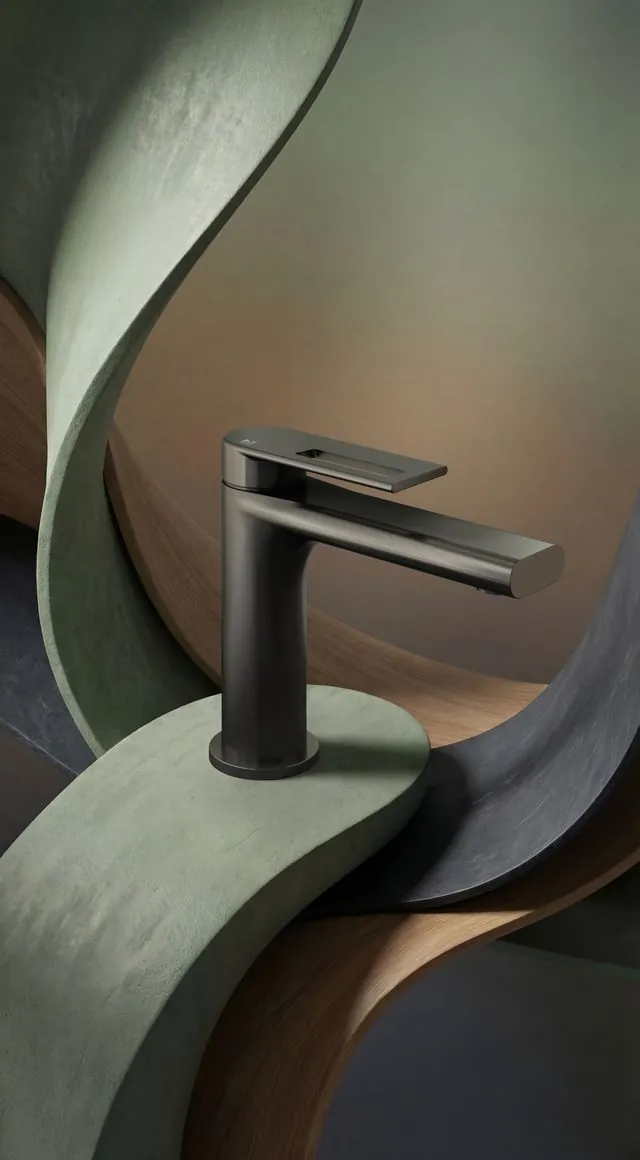
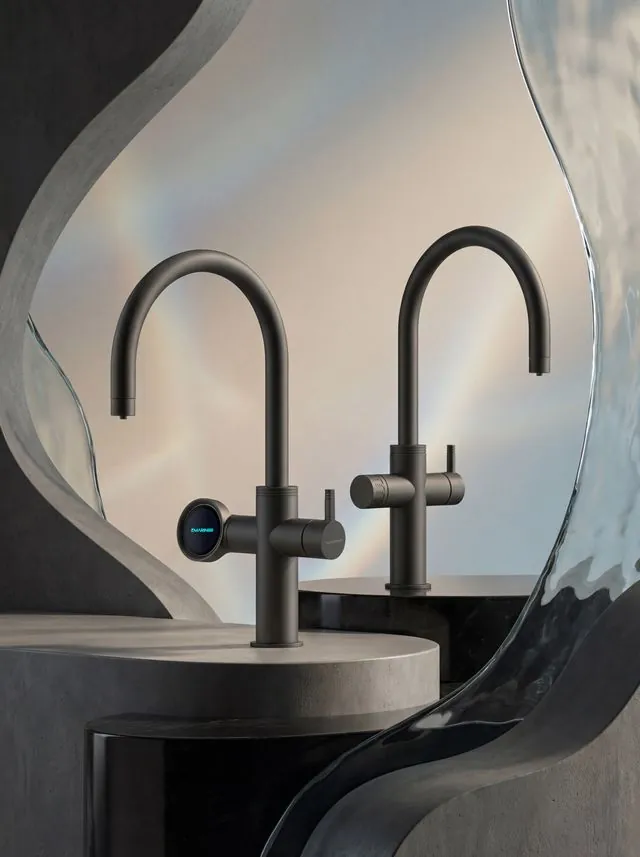
At Salone del Mobile 2026, this idea takes shape through experiences rather than objects. The OASY collection doesn't rely on visual impact. It feels quiet, restrained, almost meditative — suggesting that luxury today may lie less in expression and more in control. In contrast, LYMFA, the live water experience, moves into a different register. Water becomes interactive, immersive, almost performative. You don't just use it — you engage with it. This tension is where Mariner becomes most compelling.
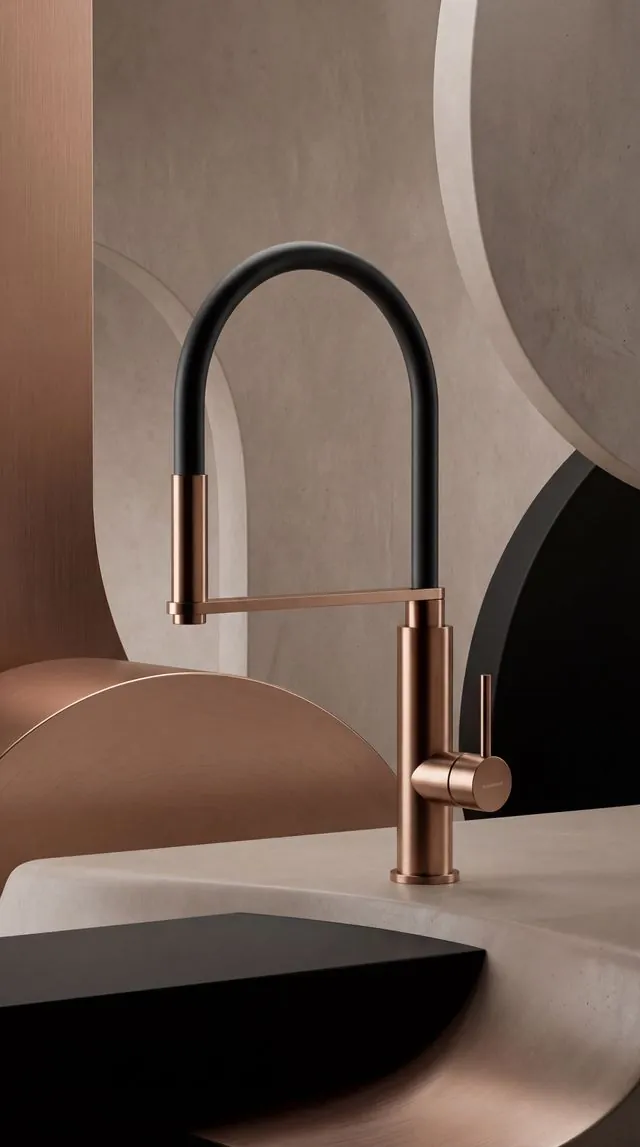
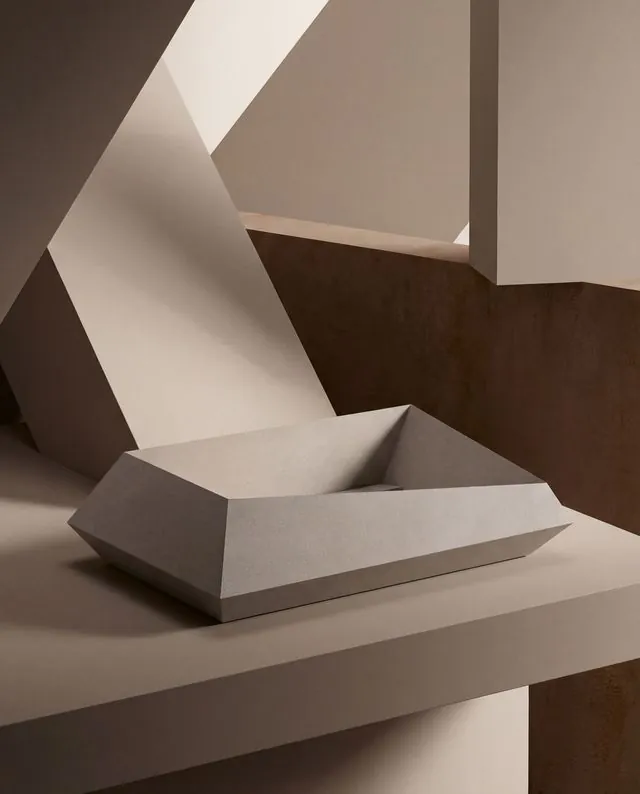
Two collaborations, two voices
The collaboration with Fabio Novembre adds a narrative layer. The bathroom becomes a story, where objects are no longer endpoints but part of a sequence. The space feels constructed, almost scenographic. Then, as a counterpoint, the partnership with Tonino Lamborghini shifts the energy entirely. If Mariner speaks in restraint, this collaboration speaks in power — sharp geometries, bold materials, and a strong visual identity create presence rather than calm.
What emerges is not inconsistency, but range. And this is where the idea of a design system takes shape. Mariner is not simply offering aesthetic variation. It is building a framework where materials, finishes, controls and spatial logic work together as a single language. The bathroom is no longer a collection of choices. It becomes a composed environment, able to shift from quiet to expressive without losing coherence.
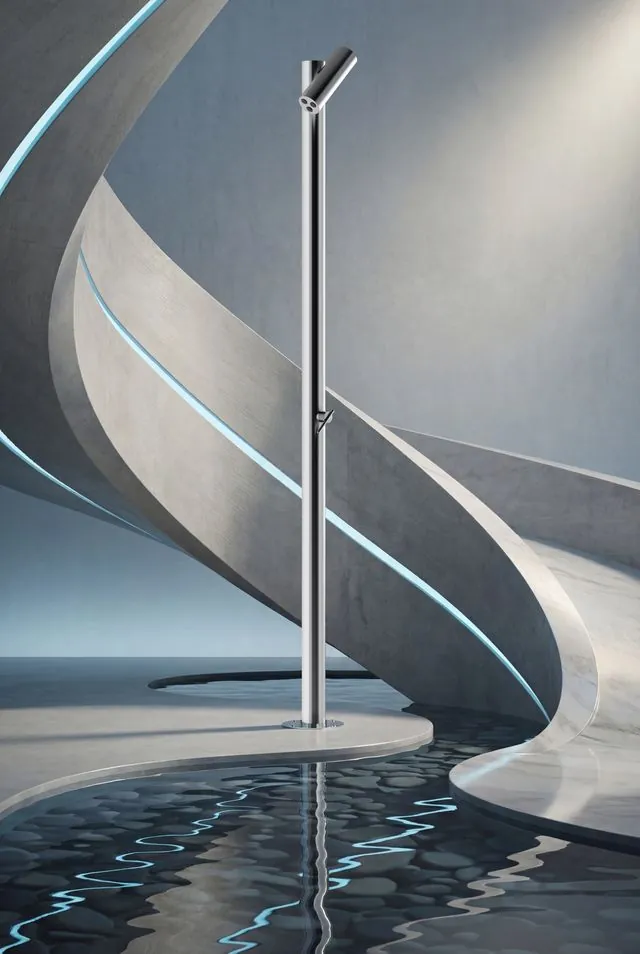
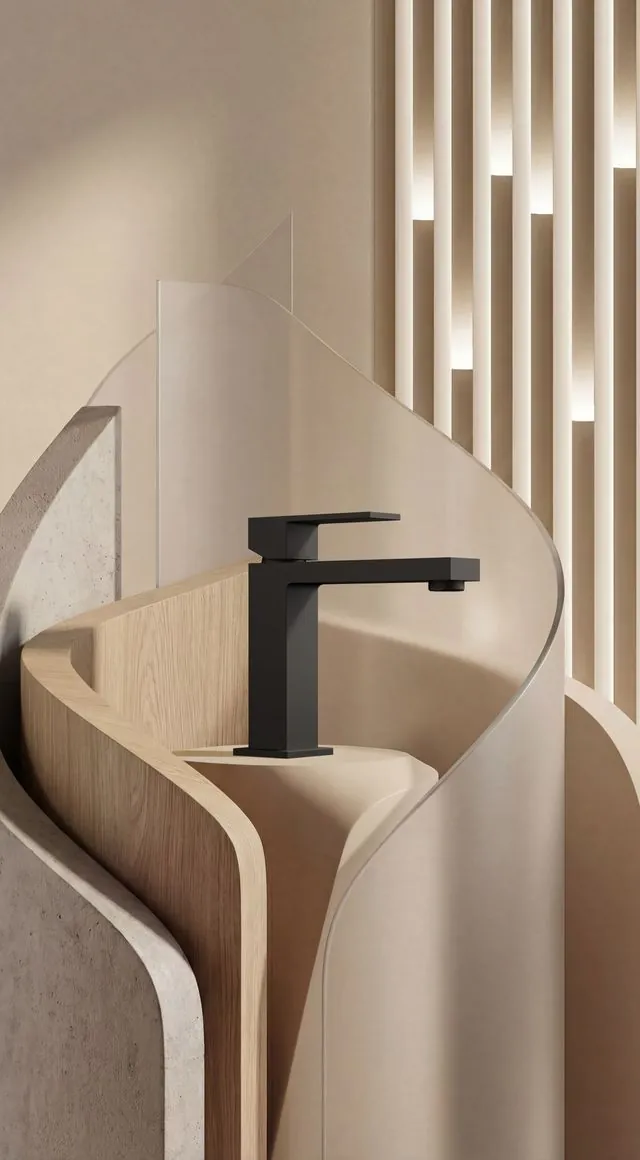
Coherence over excess
This also addresses one of the most common challenges in design: fragmentation. For architects, the problem is rarely access to products — it is continuity. Mariner responds with a system that prioritises coherence over excess, precision over spectacle. But what defines its premium positioning is not surface-level luxury. It is the way the brand constructs experience. Premium here is not about shine or ornament, but about calibration — the way light hits a surface, the tactility of a control, the balance between water and space.
Even the exhibition space reflects this thinking. The stand is not a display, but an environment — a sequence of moments where each zone reveals a different facet of the brand.
This is the shift Mariner is proposing: from product to system, from function to gesture, from utility to authorship. And perhaps that is the real question — not whether a bathroom brand can become a design system brand, but whether we are ready to see the bathroom as a space designed with the same intention as architecture itself.
Mariner suggests the answer is yes. And more than that, it shows how that transformation begins — not with objects, but with a way of thinking. In that sense, Mariner is not just redefining a category. It is setting an etalon.